The internet was once seen as a place of endless opportunity. Over time, it also became a space of risk filled with misinformation, indecent content, and influences that challenge faith and family values.
For Muslims, this created a pressing question: How can we participate in the digital world without compromising our deen?
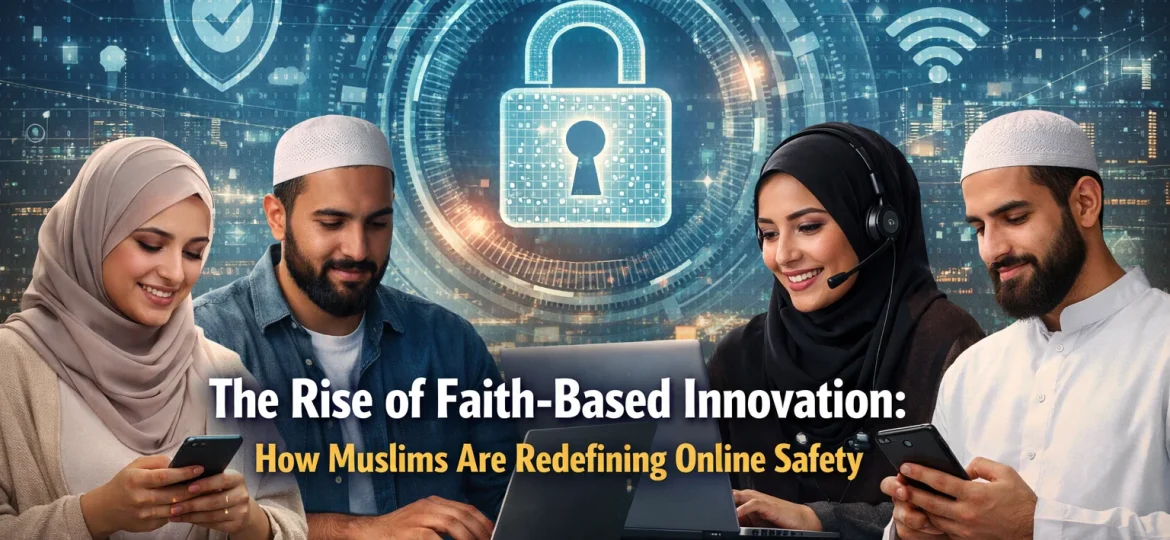
The answer is emerging through a new global movement faith-based innovation. From halal apps to family-safe technology, Muslims around the world are designing solutions that merge modern progress with Islamic ethics. This movement is not only redefining online safety but also proving that faith and technology can coexist in powerful harmony.

What Is Faith-Based Innovation?
Faith-based innovation is the development of technology guided by moral and spiritual principles. It’s about designing solutions that protect users, promote well-being, and reflect Islamic values like modesty, privacy, and honesty.
It is not limited to religious apps or tools. Faith-based innovation includes:
- HalalVPN that filters haram content and secures privacy.
- Islamic finance apps that ensure riba-free transactions.
- Learning platforms that teach Qur’an and Arabic safely.
- Community tools that foster positive, respectful engagement.
In essence, it is technology that protects both the device and the soul.
Why Faith-Based Technology Is Rising Now
For years, Muslims depended on mainstream digital platforms. But as online content became more invasive and harmful, many realized these tools were not designed for people with faith-centered lives.
Several factors have now accelerated the growth of faith-based innovation:
- Digital exposure among Muslim youth
Young Muslims spend hours online daily. Families need tools that can ensure their engagement remains safe and halal. - Global awareness of ethical technology
Around the world, people are questioning data misuse, mental health effects, and content addiction. Muslims are contributing unique faith-driven answers to these problems. - The maturity of Muslim tech talent
Muslim developers, designers, and entrepreneurs are now leading startups that combine modern expertise with Islamic purpose. - Community demand for halal alternatives
Parents, educators, and professionals are seeking digital products that align with their faith. This growing market fuels innovation.
The result is a thriving ecosystem of apps, platforms, and tools built with sincerity and social responsibility — not just profit.
How Faith Shapes Digital Safety
Islamic values provide timeless guidance for online conduct. The Qur’an and Sunnah teach moderation, modesty, truthfulness, and protection from harm. These principles directly apply to digital life.
When Muslims build technology through this lens, the result is safer and more ethical systems. Here’s how faith strengthens online safety:
1. Taqwa Guides Design
Faith-based innovators begin every project with niyyah — sincere intention. This spiritual grounding ensures that features and algorithms prioritize benefit over addiction.
2. Privacy Becomes a Priority
Islam teaches respect for personal boundaries. Ethical Muslim developers treat user data as a trust (amanah), not a product for sale.
3. Modesty Shapes User Experience
Faith-based design avoids indecent visuals, intrusive ads, or suggestive content. It keeps the digital experience clean and dignified.
4. Community Well-being Matters
Instead of dividing people for profit, halal technology builds unity, education, and family-friendly interaction.
5. Accountability Before Allah
When Muslims innovate, they see their work as a responsibility, not just a business. That consciousness creates systems that respect morality even when no one is watching.
The Muslim Contribution to Global Online Ethics
The world is facing a moral crisis in technology. From social media addiction to privacy violations, people are searching for solutions that balance innovation with integrity.
The Muslim community has something rare to offer: a complete ethical framework for technology.
Islam’s teachings on justice, privacy, moderation, and truth create a foundation for responsible innovation. These principles align closely with global discussions about digital ethics — but Islam goes deeper by connecting them to spirituality and accountability before the Creator.
This is why faith-based technology isn’t just for Muslims. It offers a model that benefits all humanity.
The Example of Halal VPN
Among the most significant examples of this movement is Halal VPN a tool designed to protect Muslim users from online harm while preserving freedom and privacy.
Halal VPN filters explicit or haram content, blocks dangerous websites, and ensures that users can browse safely without compromising their beliefs.
It represents the essence of faith-based innovation:
- Halal by design: Built to protect Iman (faith) and modesty.
- Ethical in function: Keeps personal data private and secure.
- Global in vision: Serves Muslims worldwide while promoting universal digital ethics.
HalalVPN shows that Muslims don’t need to separate technology from faith. Instead, they can lead by example — creating tools that combine technical excellence with spiritual awareness.
Comparison: Mainstream Tech vs Faith-Based Innovation
| Category | Mainstream Technology | Faith-Based Technology |
| Purpose | Maximize engagement and profit | Protect users and promote well-being |
| Privacy | Collects and sells personal data | Treats user information as a trust |
| Content Filtering | Allows indecent or harmful material | Blocks haram and explicit content |
| Cultural Impact | Promotes trends regardless of morality | Encourages modesty and balance |
| Ethical Foundation | Driven by market goals | Guided by faith and accountability |
This comparison highlights how faith-based innovation is redefining what responsible technology should look like purposeful, safe, and aligned with moral values.
The Economic Power of Halal Innovation
Faith-based technology is not just a moral choice; it’s a growing economic opportunity. The global Muslim digital market is expanding rapidly as demand for halal and ethical products increases.
Reports estimate that the Islamic digital economy will reach hundreds of billions in value within this decade, covering areas such as:
- Halal fintech
- Muslim lifestyle apps
- Digital learning platforms
- Ethical media and entertainment
- Halal cybersecurity and AI tools
This shift proves that moral innovation and profitability can go hand in hand. As more Muslims invest in and adopt these tools, the ecosystem will only grow stronger.
How the Ummah Can Support Faith-Based Innovation
1. Adopt Halal Tools Early
Using apps like HalalVPN helps create market demand and gives innovators the confidence to keep improving. Early adoption accelerates global awareness.
2. Encourage Muslim Entrepreneurs
Communities should support startups, incubators, and investors that promote Islamic technology. Financial backing turns good ideas into powerful change.
3. Educate Families About Digital Ethics
Teach children that faith applies to technology too. Encourage them to explore careers in ethical innovation where they can serve both deen and dunya.
4. Collaborate Across Professions
Scholars, developers, and marketers should work together. Scholars define principles, and technologists implement them in practical tools.
5. Promote Positive Narratives
Highlight successful examples of Muslim-led tech projects. Sharing stories of halal innovation inspires pride, confidence, and unity within the Ummah.
The Future of Faith-Based Technology
The rise of faith-based innovation is more than a trend — it’s a cultural transformation. Muslims are no longer waiting for global tech to respect their values. They are building their own systems, driven by sincerity and purpose.
In the next decade, expect to see:
- Global networks of halal-certified apps.
- AI systems trained on ethical principles.
- Islamic educational platforms for children and families.
- Privacy-focused tools designed by Muslims for everyone.
Each of these innovations represents a revival — a digital renaissance powered by faith.
Conclusion
Faith-based innovation marks a turning point for the Muslim world. It is a return to leadership, responsibility, and excellence. Islam has always guided progress with ethics, and today’s Muslim innovators are doing the same in the digital realm.
By developing tools like Halal VPN, Muslims are redefining what online safety means not just protecting devices but preserving hearts, families, and values.
Choosing halal technology is not about restriction; it is about freedom. Freedom from harmful content, exploitation, and manipulation. Freedom to use the internet with peace of mind and purity of intention.
The more Muslims support and build faith-based innovation, the closer we move to a future where technology serves faith, not the other way around.
Frequently Asked Questions (FAQs)
1. What does faith-based innovation mean?
It means developing technology that aligns with moral and spiritual values, ensuring that innovation benefits people without harming faith or dignity.
2. Why are Muslims leading this movement?
Because Islamic ethics provide a complete framework for responsibility, privacy, and modesty — qualities that modern technology often lacks.
3. How does HalalVPN fit into faith-based innovation?
HalalVPN is a prime example of technology built to protect users’ faith and privacy, offering clean, safe, and ethical online experiences.
4. Is faith-based innovation only for Muslims?
No. It benefits everyone. Technology rooted in honesty, safety, and respect serves all communities.
5. How can I support this movement?
Adopt halal tools, share them within your network, support Muslim-led startups, and encourage youth to pursue ethical tech careers.